The central sterile services department (CSSD) cleans, packs and sterilises the instruments and linen a hospital uses every day. The autoclave is at its heart. A unit that is too small, too slow or hard to service holds up operating theatres and wards.
This guide lists what to check. Bioline India makes autoclaves and CSSD equipment in Indore, and we use our models as examples.
1. Size and type
Work out how many trays and packs you sterilise on your busiest day, then choose the type.
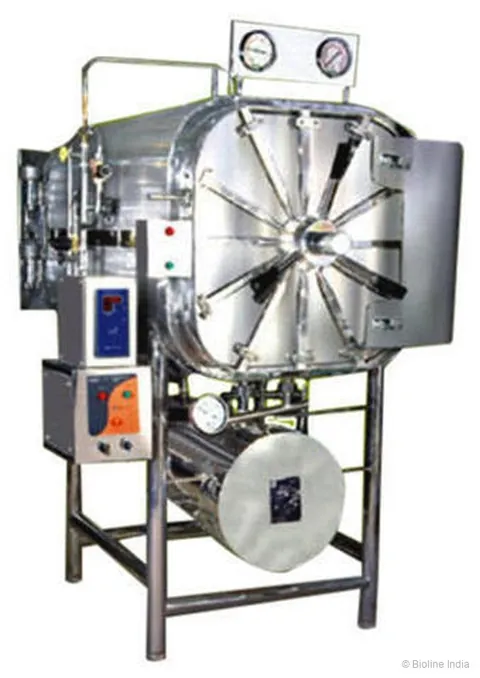
- Large horizontal autoclaves suit a central CSSD. Our horizontal rectangular autoclave has a 600 x 900 x 1500 mm chamber with a capacity of 810 litres.
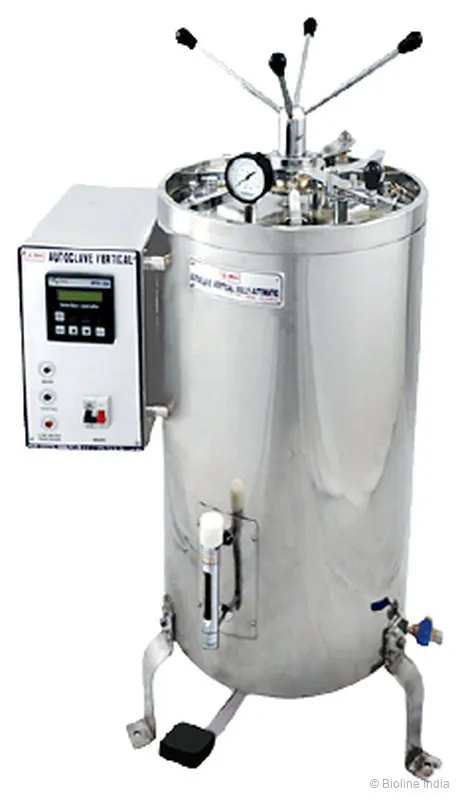
- Vertical autoclaves suit smaller departments and laboratories. Our vertical autoclave has a 45 x 75 cm chamber.
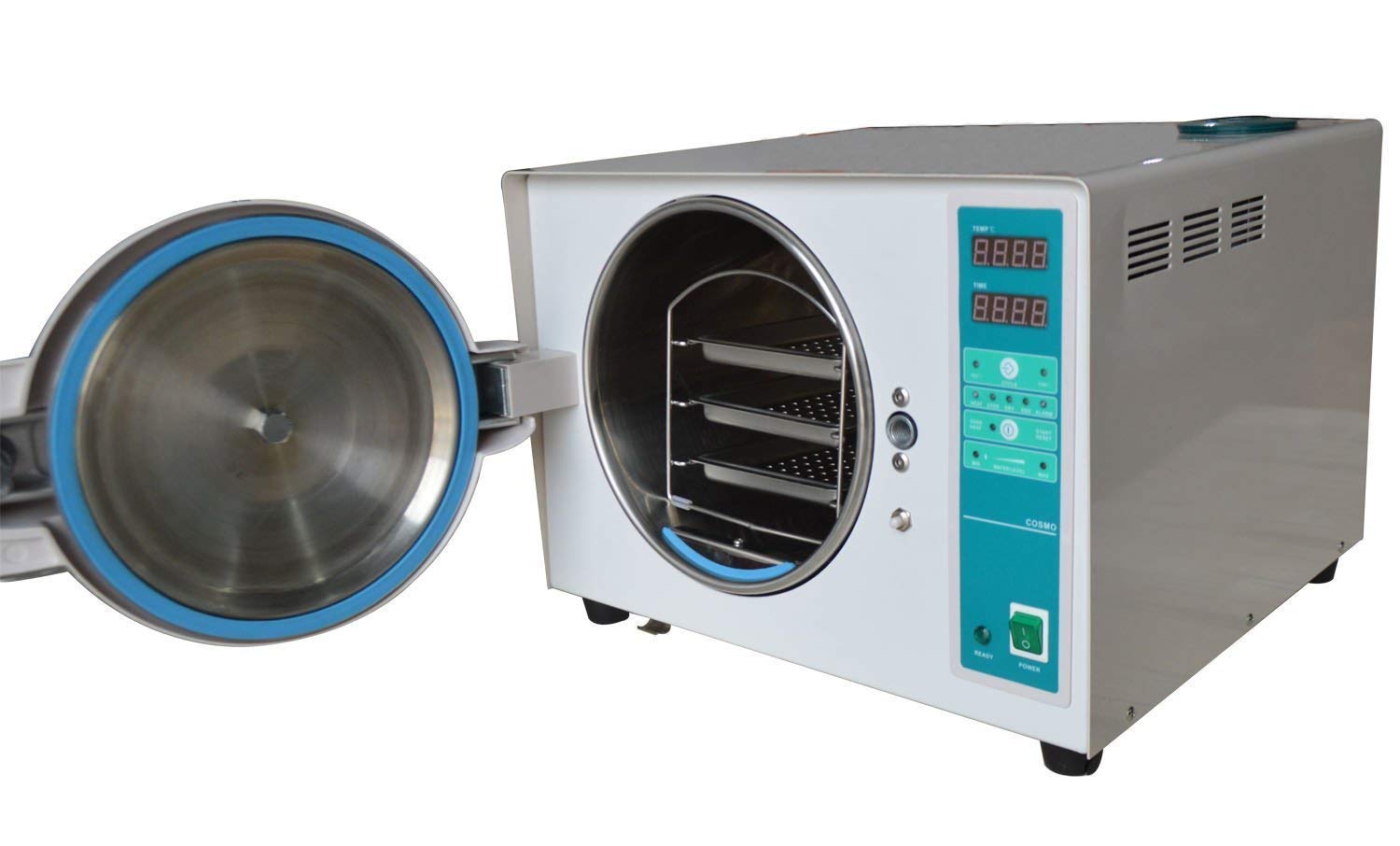
- Table top sterilisers handle urgent instruments near the point of use. Our table top high flash steam steriliser has a 16 litre chamber with two trays.
2. Temperature, pressure and cycles
Check which temperatures and cycles you need for instruments, fabric and liquids. Our horizontal autoclave works at 121 °C to 134 °C and 1.2 to 2.1 kg/cm², with cycles for liquids, instruments and fabric. Our table top steriliser reaches up to 134 °C with sterilising and drying times of up to 99 minutes each.
3. Air removal and drying
Steam must reach every surface, so trapped air has to be removed, and packs must come out dry. Ask whether the autoclave removes air before sterilising and dries with a vacuum. Our horizontal autoclave uses pre vacuum pulsing before sterilising, a vacuum pump after it, and a drying stage with filtered air.
4. Controls and records
Cycle records support audits and help trace any problem. Look for automatic cycles, displays of temperature and time, alarms when a value goes out of range, and data logging. Our horizontal autoclave is fully automatic with a microcontroller and touch panel, logs cycle data, and gives audio and visual alarms.
5. Build and safety
Ask about the chamber material, the door lock and the safety valves. Our horizontal autoclave has a stainless steel 316 inner chamber, a stainless steel 304 jacket, a double radial door locking system, a safety valve, a vacuum breaker and a steam trap.
6. Utilities
Large autoclaves need the right power, water and space. Our horizontal autoclave has its own built in stainless steel steam generator and needs a 440 V supply with neutral and about 36 kW. Check your supply before ordering.
7. The rest of the CSSD
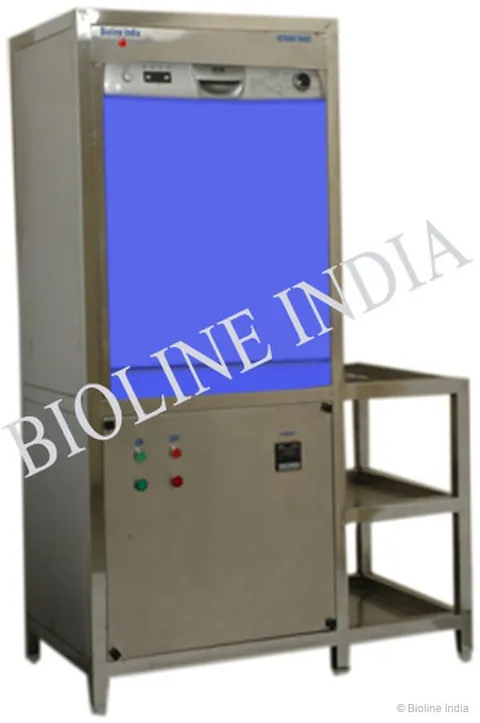
An autoclave works best with good cleaning before it. We also make instrument washer disinfectors, ultrasonic cleaners, pass boxes, bowl sterilisers and glove testers.
8. Service
An autoclave runs many cycles a day. Ask who installs and validates it, how fast an engineer can come, and how long spares take. Bioline India installs and services its own equipment.
Quick checklist
- Chamber size for your busiest day
- Temperatures, pressures and cycle types
- Pre vacuum air removal and vacuum drying
- Automatic control, alarms and data logging
- Chamber material, door lock and safety valves
- Power, water and space at your site
- Washers and other CSSD equipment
- Installation, validation and local service
Ask us for a quote for your CSSD.
Pictures